
With energy bills on the rise, many homeowners are looking for ways to make their homes warmer and more efficient. While there are lots of ways to improve insulation, windows and doors often play a much bigger role than people realise.
Older, poorly fitted or single-glazed windows and doors can let a significant amount of heat escape. Upgrading to energy-efficient alternatives can make a noticeable difference to comfort levels and household costs.
How much heat is lost through windows and doors?
Old or poorly fitted windows and doors are a major source of heat loss in UK homes. In fact, up to 40% of a home’s heat can escape through draughty frames or single glazing.
Some common signs of heat loss include:
- Cold spots or draughts near windows
- Condensation or misting between glass panes
- Difficulty heating certain rooms
- Unexpectedly high energy bills
By upgrading to modern, energy-rated products, you can make a real difference.
What Makes Modern Windows and Doors More Efficient?
Today’s energy-efficient windows and doors use a combination of materials and technologies to help reduce heat loss. Here are some key features to look out for:
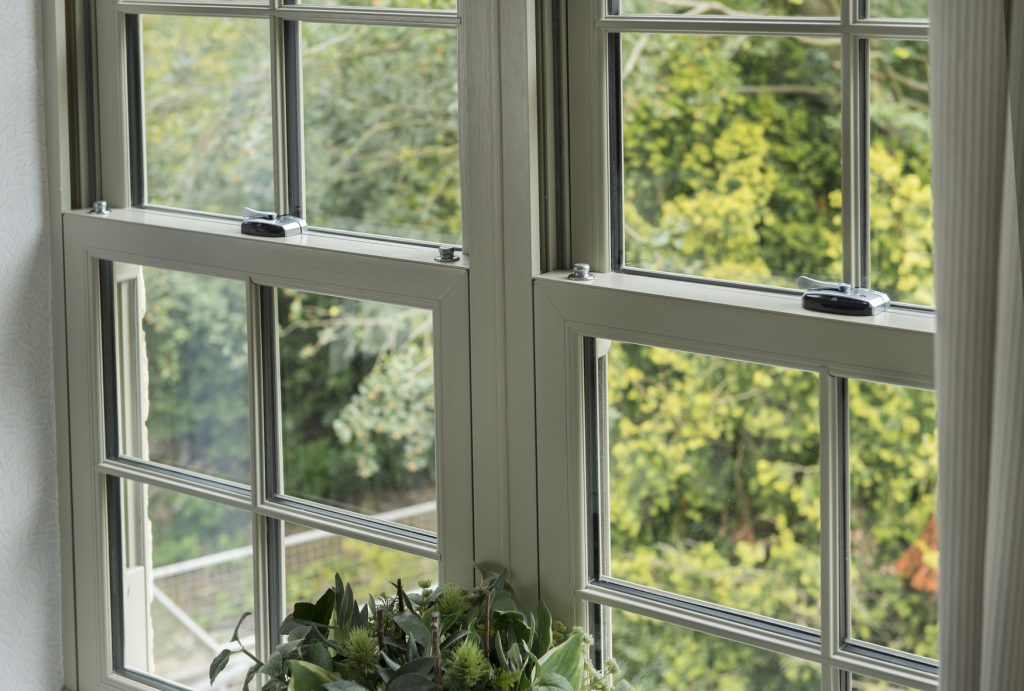
- Double or triple glazing: Layers of glass with insulating gas (argon) between them to slow down heat transfer.
- Low-emissivity (Low-E) glass: Special coatings on the glass that reflect heat back into your home.
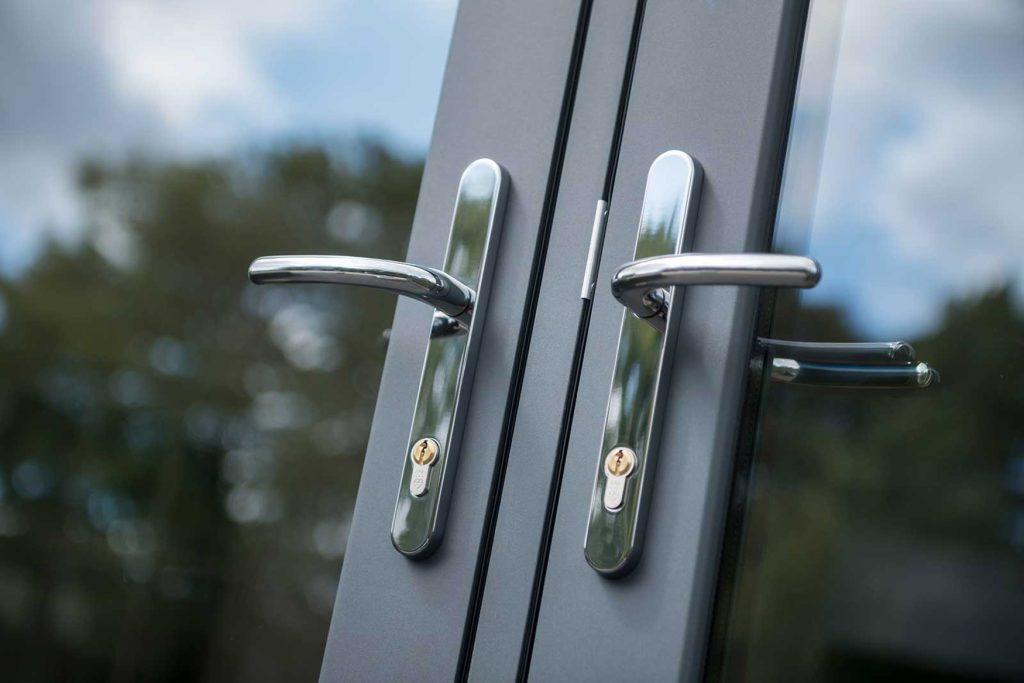
- Thermally efficient frames: uPVC, aluminium with thermal breaks, or composite materials that help prevent heat escaping through the frame.
- Airtight seals: Modern designs use high-quality seals and gaskets to stop draughts.
Many new windows and doors now come with an energy rating (from A++ downwards) so you can easily compare their performance
What Impact Can New Windows and Doors Have on Your Energy Bills?
According to the Energy Saving Trust, replacing single-glazed windows with A-rated double glazing in a typical semi-detached home could save around £195 to £235 per year on heating costs.
The exact savings will depend on factors like the size of your home, the type of heating you use and how much heat was being lost through your existing windows and doors.
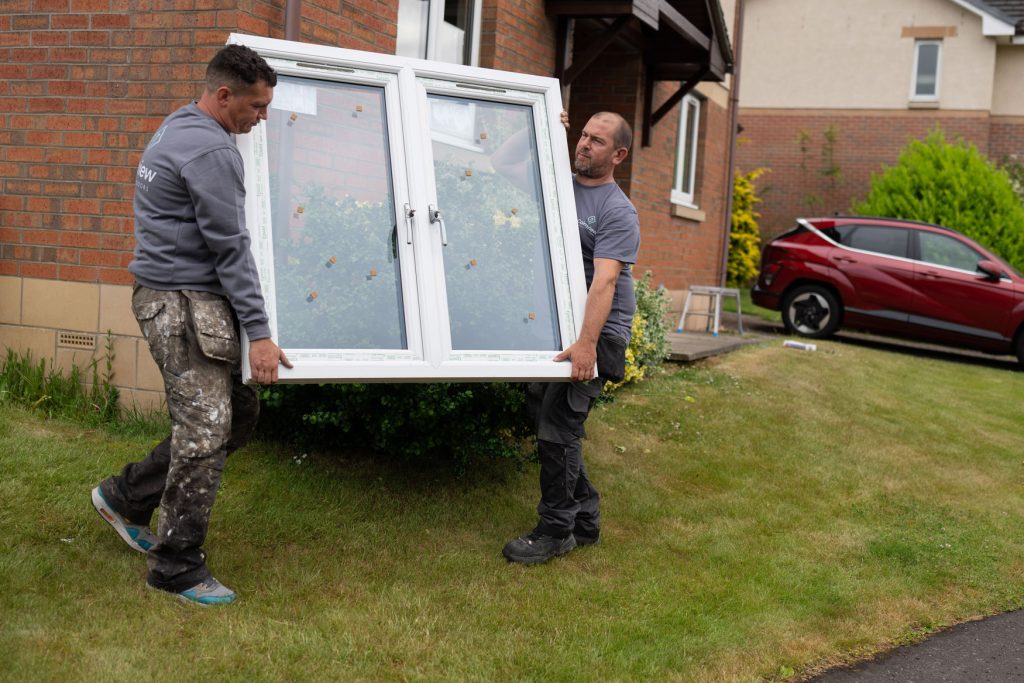
“Right from the initial contact Highland Homestyle were helpful and professional, communication was very good and the staff most helpful. On the day of installation we couldn’t believe how quickly the doors were installed, our fitters Michael and Darren were great guys, friendly, professional and clearly knew their stuff. We are delighted with the doors and the difference they made immediately to the light and warmth of our home . Highly recommended all round.”
Bob Davis, Google review
Beyond Bills: More Benefits of Upgrading Your Windows and Doors
Upgrading your windows and doors offers more than just cost savings:
- Improved comfort with fewer draughts and more consistent indoor temperatures
- Noise reduction, especially helpful in busy or built-up areas
- Condensation control, particularly in kitchens and bathrooms
- Increased property value, as buyers pay attention to energy performance
- Lower carbon emissions, thanks to reduced energy use
Is It Time to Replace Your Windows and Doors?
You might not need to wait until your windows are visibly damaged. Here are a few signs it could be time to consider an upgrade:
- Visible warping, rot or cracking on frames
- Difficulty opening or closing
- Cold draughts, even in well-insulated rooms
- Condensation between panes of glass
- Outdated single glazing that doesn’t meet modern standards
Quick Fixes to Improve Energy Efficiency in the Meantime
If replacing your windows and doors isn’t an option right now, there are still simple steps you can take to improve energy efficiency:
- Use draught excluders: Fit them along the bottom of doors or use self-adhesive draught-proofing strips around window and door frames to block cold air.
- Add thermal curtains or blinds: Heavy, lined curtains or thermal roller blinds can help keep heat in, especially at night.
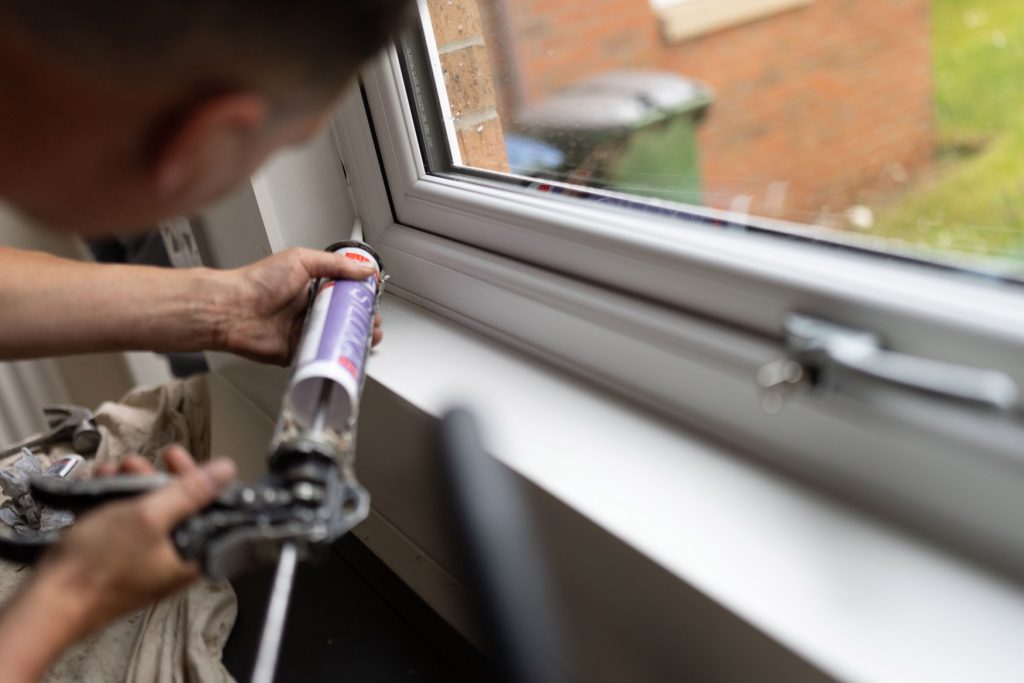
- Seal gaps and cracks: Check around window frames, skirting boards and door edges for gaps that let cold air in and seal them with appropriate fillers or sealant.
- Use secondary glazing film: This is a temporary plastic film you can fit over single-glazed windows to add an extra layer of insulation.
- Close doors between rooms: Keep heat where you need it by closing internal doors and preventing warm air from escaping.
- Move furniture away from radiators: This allows warm air to circulate more freely around the room.
These measures won’t provide the same level of performance as new, energy-efficient windows and doors, but they can help make your home feel warmer in the meantime.
Ready to Cut Bills and Boost Comfort?
Contact Cairnview today to arrange a free consultation. We’ll help you choose the right windows and doors to make your home warmer, more efficient and future-ready.